

從保育到共生:八色鳥故鄉
【記者 林星喬/雲林林內報導】
湖本村被譽為「八色鳥故鄉」,成功保育八色鳥並推動生態文化發展。社區成立湖本生態合作社吸引國內外遊客,推出以八色鳥為主題的文創商品,致力於提升大眾的生態意識。透過保護八色鳥,促進整個生態系統的保育,讓更多人關注與我們生活在同一片土地的物種。
湖本村與清明鳥
位於雲林縣林內鄉的湖本村,被譽為「八色鳥故鄉」。每年春夏之交,被稱為「清明鳥」的八色鳥(Pitta nympha)從遙遠的南洋飛抵臺灣,其因八種顏色的羽毛而得名,成為了湖本村的象徵。八色鳥生性謹慎,常在低海拔的林底陰暗處活動,不易被人發現。根據農業部生物多樣性研究所的研究,八色鳥的數量正在逐年下降,由於棲息地的破壞與氣候變遷等因素,八色鳥的生存受到威脅。作為臺灣的夏候鳥,八色鳥被列為第二級保育類,牠們不僅受到國內外賞鳥客的喜愛,也成為生態保護的焦點。湖本村居民林先生回憶道:「八色鳥一直生活在我們社區。我國中在籃球場打球時,牠就停在樹上看我們。只是當時,沒有人知道那是一隻八色鳥。」
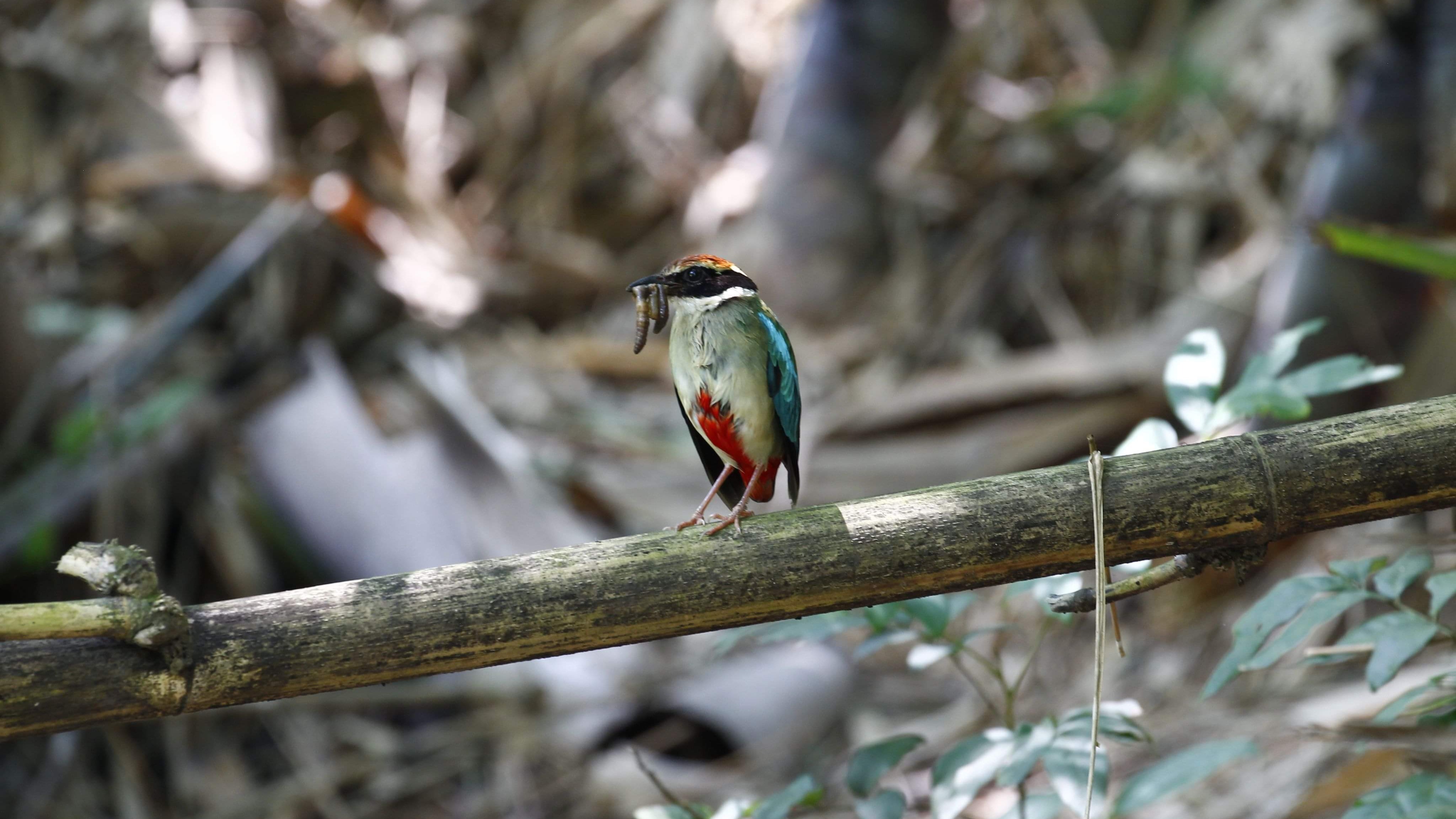 八色鳥鳥羽呈現綠、藍、黃、栗褐、乳黃、紅、黑、白等八種顏色。【圖片來源 湖本生態合作社/提供】
環境或經濟 反陸砂自救會
1999年,村民們發現砂石業者計劃在湖本村周邊地區進行大規模開採,這項計畫威脅到村民的生活,且嚴重破壞八色鳥的棲息環境。於是當時的湖本村村長帶領村民共同發聲,向縣政府抗議,並成立反陸砂自救會,獲得國內外眾多動保團體的支持及協助,成功引起社會廣泛關注。在此之前,許多村民對八色鳥並不熟悉,甚至不曾意識到這種美麗稀有的鳥類就在他們的生活中。作為抗爭的一員,林先生提到,當時砂石業者的反抗能力相當強大。雖然大多數村民支持保護環境,但也有少部分居民持不同看法,認為砂石開採能帶來經濟效益,這種內部矛盾也使得抗爭過程更加複雜和困難。村民與國內外多個保育團體共同連署,搶救湖本村,最終使業者取消了砂石開採計畫。國際鳥盟也對湖本村的成功保育行動表示讚許,稱其為國際生態保護的典範。
2002年,湖本生態合作社成立,積極推動社區生態文化產業的發展,並致力於八色鳥的保育工作。
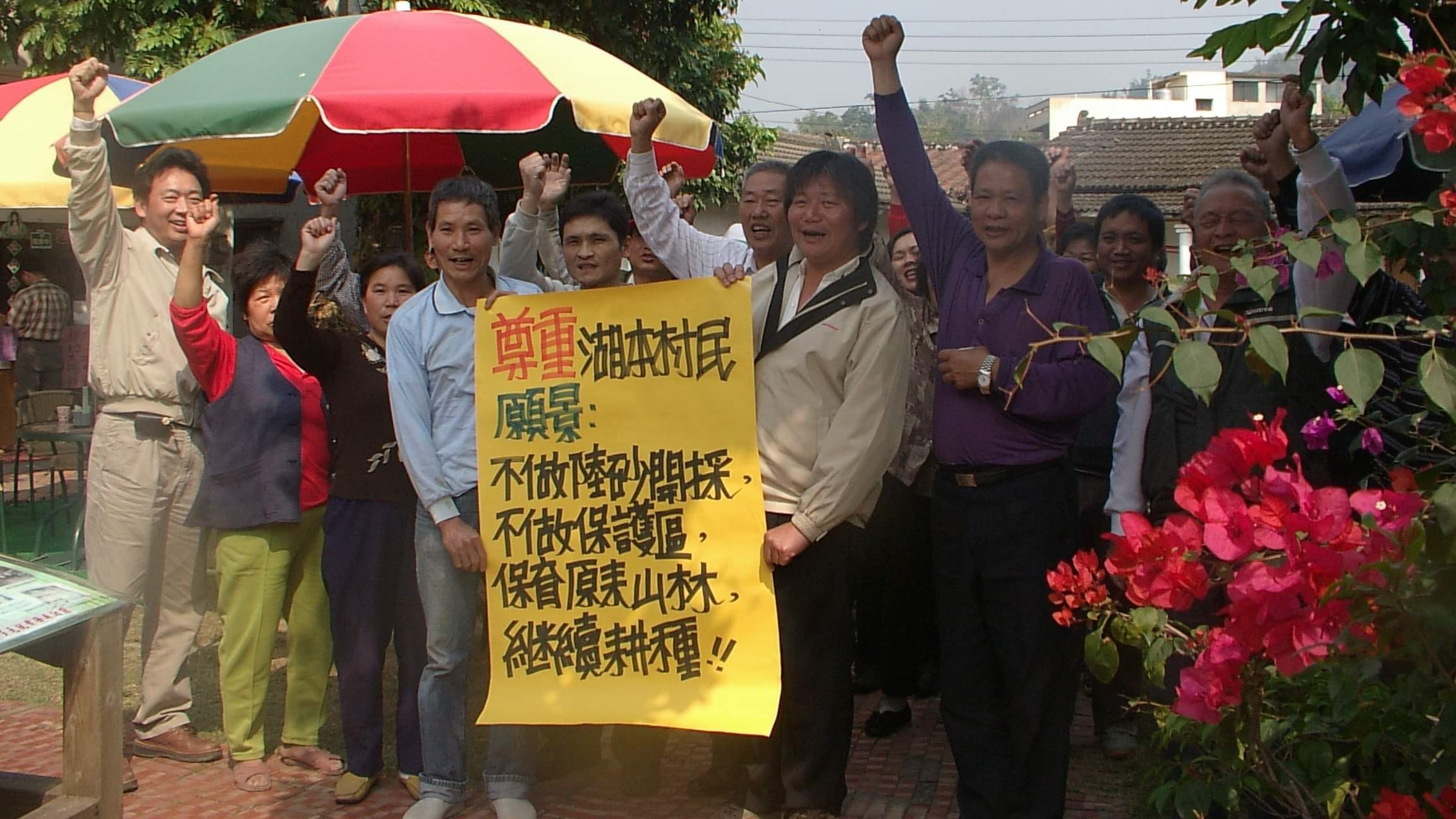
湖本村居民寫下訴求,共同抗議陸砂開採。【圖片來源 湖本生態合作社/提供】
以生態為文創 推動保育理念
湖本生態合作社自2010年委外經營後,現任經營者陳嘉宏積極推動生態教育。 不僅積極參與生態教育活動,還提供生態導覽,為國內外遊客介紹湖本村的生態特色。這些活動提升參與者對生態環境的了解,成功吸引了大量以八色鳥為目標的賞鳥客。住宿與餐飲服務也成為支持生態旅遊的重要一環,進一步促進當地經濟發展,使湖本村成為賞鳥與生態旅遊的理想目的地。此外,合作社也開發了以生態為主題的文創商品。 如以鳥類為主題的繡片、鑰匙圈等,透過這些商品讓更多人知道湖本村的存在和這些物種的保育價值。
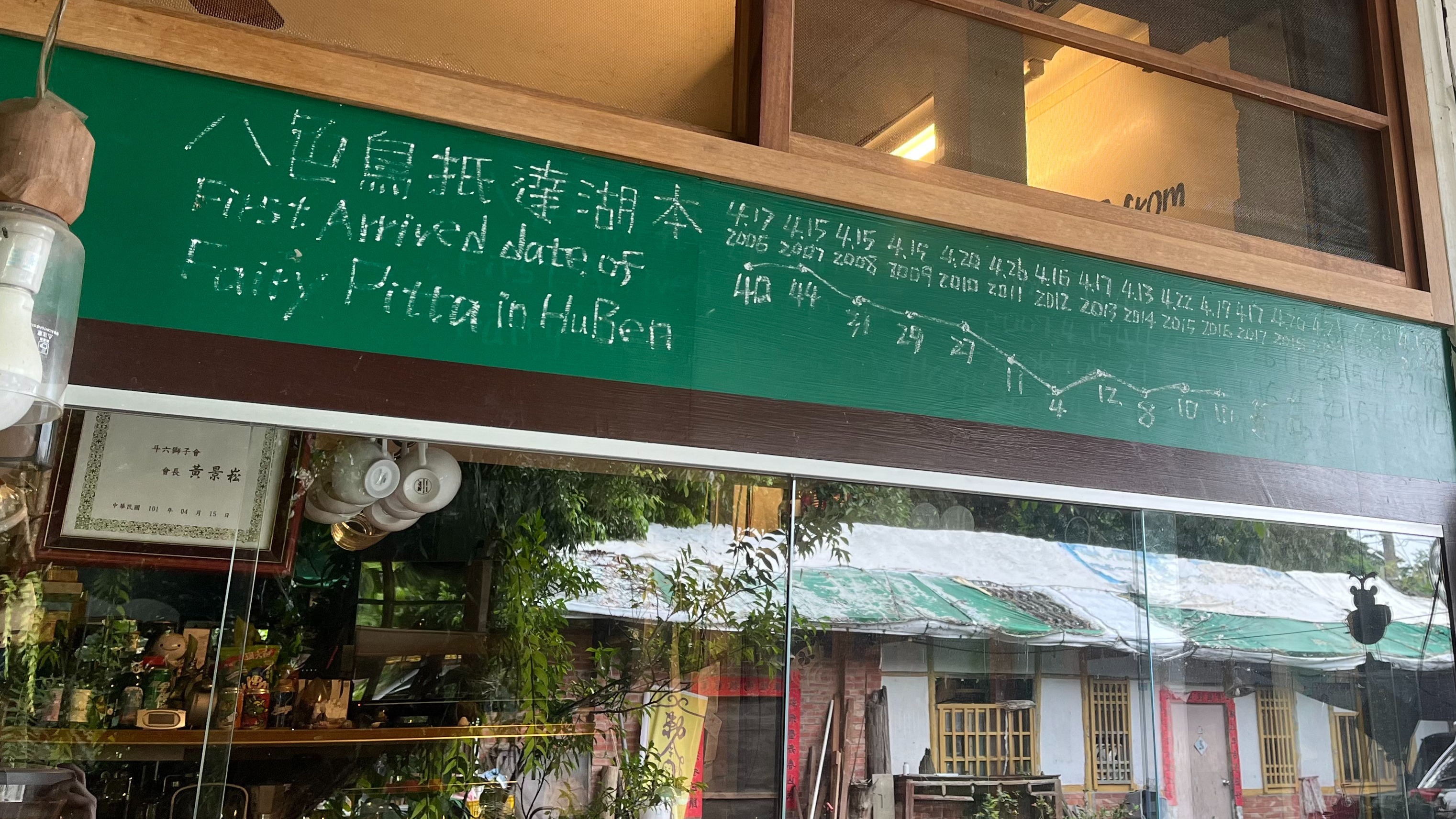 湖本生態合作社記錄了每年抵達湖本的八色鳥數量。【記者 林星喬/攝影】
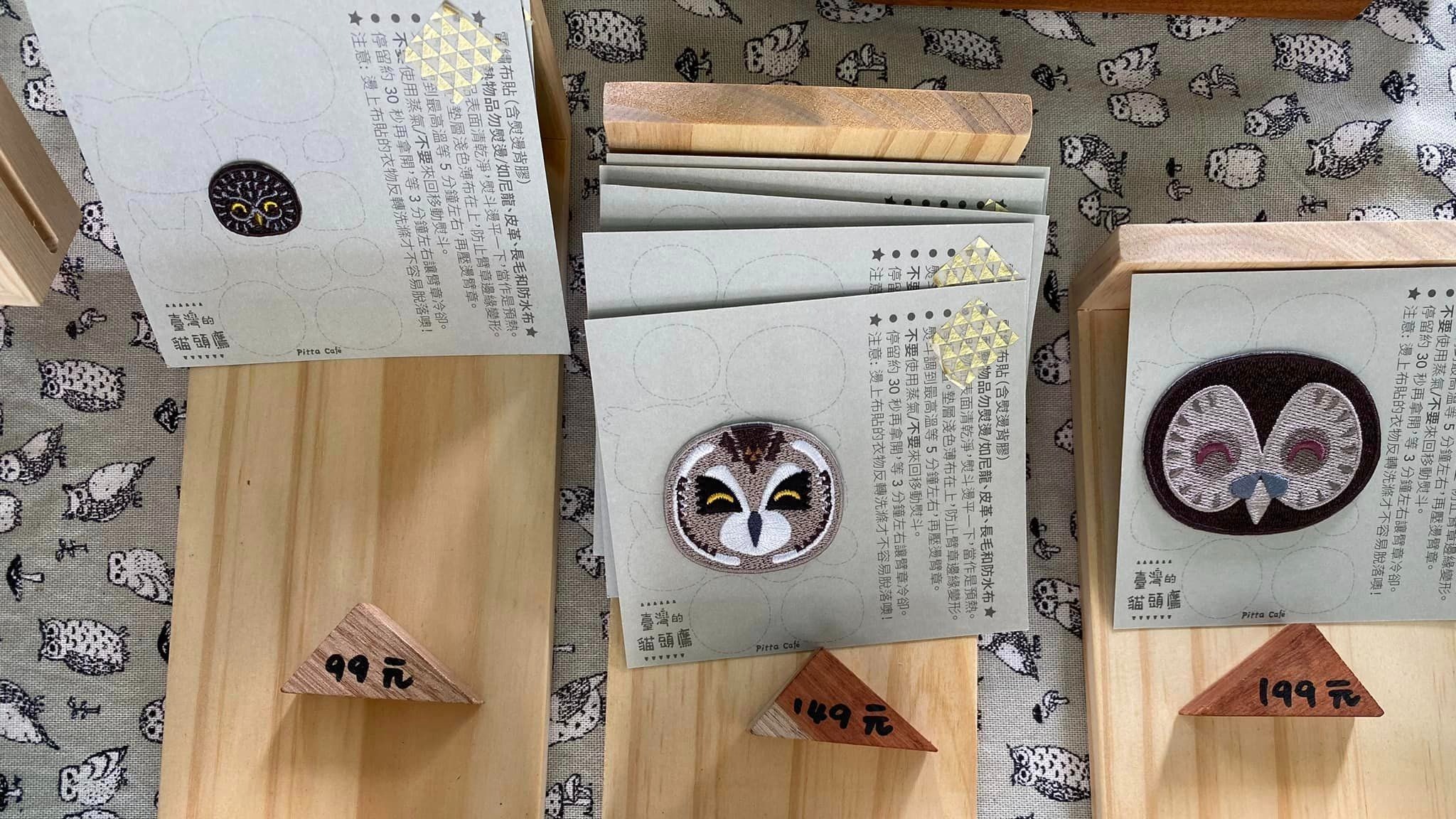 透過文創商品讓民眾了解鳥類。【圖片來源 湖本生態合作社/提供】
賞鳥風潮和外來種
一些遊客未遵守賞鳥道德規範,過度接近鳥巢,甚至干擾八色鳥的育雛。為了解決這些問題,當地鳥會或保育團體會在拍攝熱區設置安全距離,並定期派人巡邏,確保鳥類不受打擾。除此之外,外來種也為保育工作帶來難題。近年來,臺灣野外出現了許多外來種,如白尾八哥等,這些外來物種會與原生物種競爭食物與棲地,對生態系統構成威脅。目前政府已針對部分外來種展開移除計畫,但面對分布範圍廣泛的外來種仍需更多資源與跨部會的協調。
明星物種帶來的長遠保護效益
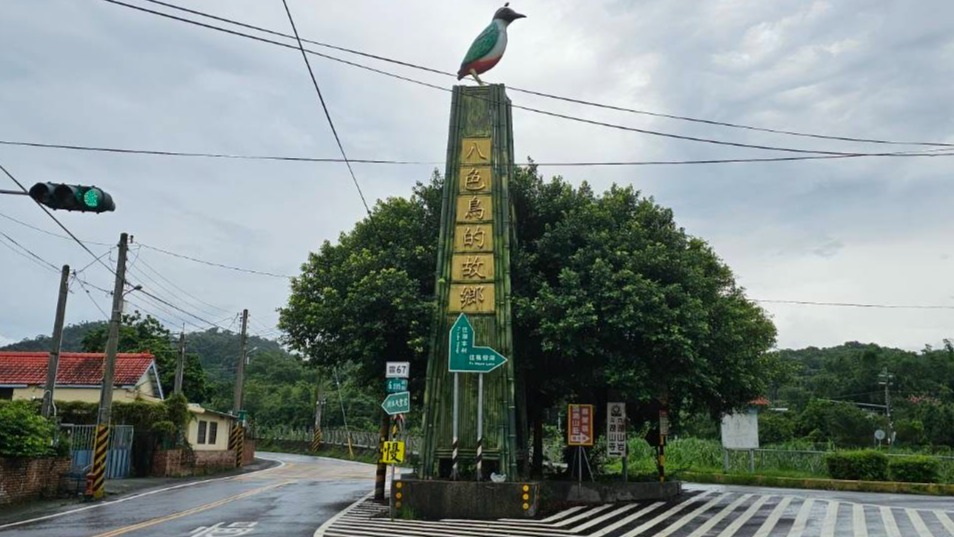
這裡是「八色鳥的故鄉」,迎接遊客來到這片珍貴的生態寶地。【記者 林星喬/攝影】
未來,湖本生態合作社計畫與更多的單位合作,擴大保育及教育的影響範圍。 陳嘉宏提到:「八色鳥其實是湖本村的保護傘物種,它不只是湖本村的明星物種,還為整個周邊的淺山生態圈帶來了長遠的保護效益。」八色鳥成功讓各界更關注整體生態系統的保護,包括其他瀕危物種,如食蛇龜。透過保護八色鳥,周圍的環境和物種也因此受惠,體現出生態多樣性的價值。
透過與更多機構的合作,湖本生態合作社計畫推動更多生態保育項目,在持續保護自然環境的同時,湖本村也朝著生態與社區發展並行的未來邁進,成為臺灣社區生態保育的典範。
From Conservation to Coexistence: The Hometown of the Fairy pitta
Translated by Zhang Jia-Yu. Huben Village has been called the "Hometown of the Fairy Pitta" through its successful conservation and the promotion of ecological and cultural development. The Fairy Pitta is named for its colorful feathers of eight colors, and becomes the symbol of Huben Village. In 2002, village established the “Pitta Cafe” to attract tourists and raise public awareness of ecological conservation. By protecting Fairy Pitta, the Pitta Cafe encouraging more people to care about the species that live on the same land with us.Ecology As Creativity: Promoting Conservation Values
Located in Linnei Township, Yunlin County, the “Pitta Cafe” (湖本生態合作社) was established in 2002. It actively promotes Huben Village’s ecological and cultural industries and is dedicated to the conservation of the Fairy Pitta. Since Pitta Cafe was outsourced in 2010, its current boss Mr. Chen Chia-hung has been promoting ecological education. Besides participating in ecological education activities, he also guided eco-tours that introduce visitors to the unique ecology of Huben Village. These activities have improved public understanding of the environment and successfully attracted numerous birdwatchers who are interested in the Fairy Pitta. Accommodations and catering services have also become an important pillar supporting eco-tourism, boosting local economy and establishing Huben Village as an ideal destination for birdwatching and nature tourism. Additionally, Pitta Cafe has developed various ecology-themed cultural and creative products, such as bird embroidered patches and keychains, helping more people learn about Huben Village and the importance of species conservation.The Villagers Bonded to Protect the Environment
In 1999, villagers discovered that gravel companies planned a large-scale mining project near Huben Village. This scheme would not only disrupt the villagers' livelihood but also damage the Fairy Pitta’s habitat severely. The village head led the community to protest against the mining plan and established the Anti-Mining Self-Help Group. With strong support and assistance from many conservation groups, Huben Village raised widespread social awareness successfully. Before this movement, many villagers were unfamiliar with the Fairy Pitta and had no idea that such a beautiful and rare bird around them. Mr. Lin, who joined the protest as a resident of Huben Village, said that the gravel companies had considerable influence. According to Mr. Lin, although most villagers supported environmental protection, a small group of them believed that mining could bring economic benefits, causing internal conflicts and complicating the situation. In collaboration with conservation groups, the villagers have protected Huben Village that ultimately led to the cancellation of the mining project. Bird conservation organization BirdLife International praised Huben Village’s conservation movement, calling it a model for global ecological conservation.Huben Village and the Fairy Pitta
The Fairy Pitta is classified as a category II protected species and the Huben Village is famously known as the "Hometown of the Fairy Pitta." Every year around the transition from spring to summer, the Fairy Pitta (Pitta nympha), which is also called as the “Qingming Bird”, migrates from the far South Seas to Taiwan. As a cautious bird, Fairy Pitta often appears in dark areas of lowland forests. This makes them difficult to spot. According to Taiwan Biodiversity Research Institute, the number of the Fairy Pitta is declining every year due to habitat destruction and climate change. Due to the rarity of the Fairy Pitta, they are beloved by birdwatchers and have become the focus of conservation. Mr. Lin recalled, “The Fairy Pittas have always lived among our community. When I played basketball in junior high school, they stayed on the trees nearby and watched us. Only back then, no one knew they were the Fairy Pittas.”How to Make the Environment Sustainable
As eco-tourism in Huben Village thrives, some tourists disturb the Fairy Pitta by not following birdwatching ethics. To address this problem, conservation groups have set up a safe distance in the photography hot spots and conduct regular patrols to ensure the birds would not be disturbed. Invasive species also brought another challenge. In recent years, various invasive species such as Javan Myna have appeared in Taiwan’s wildlife environments, competing with native species for food and habitat and threatening the ecosystem. The government has planned removal programs for some invasive species; however, managing their wide distribution will require more resources and inter-agency coordination. In the future, the Pitta Cafe plans to collaborate with more organizations to expand its conservation and educational outreach. Mr. Chen Chia-hung said, “The Fairy Pitta is an umbrella species for Huben Village. It’s Huben’s star species and it can bring lasting conservation benefits to the entire suburban hill ecosystem around us.” The Fairy Pitta gets people’s attention to protecting the whole ecosystem, including other endangered species like the Margined Box Turtle. By protecting the Fairy Pitta, the whole environment and many species can also benefit, thus highlighting the value of biodiversity. By Lin Hsing-Chiao, reporting from Chaiya City.